What the Young Professionals Programme is
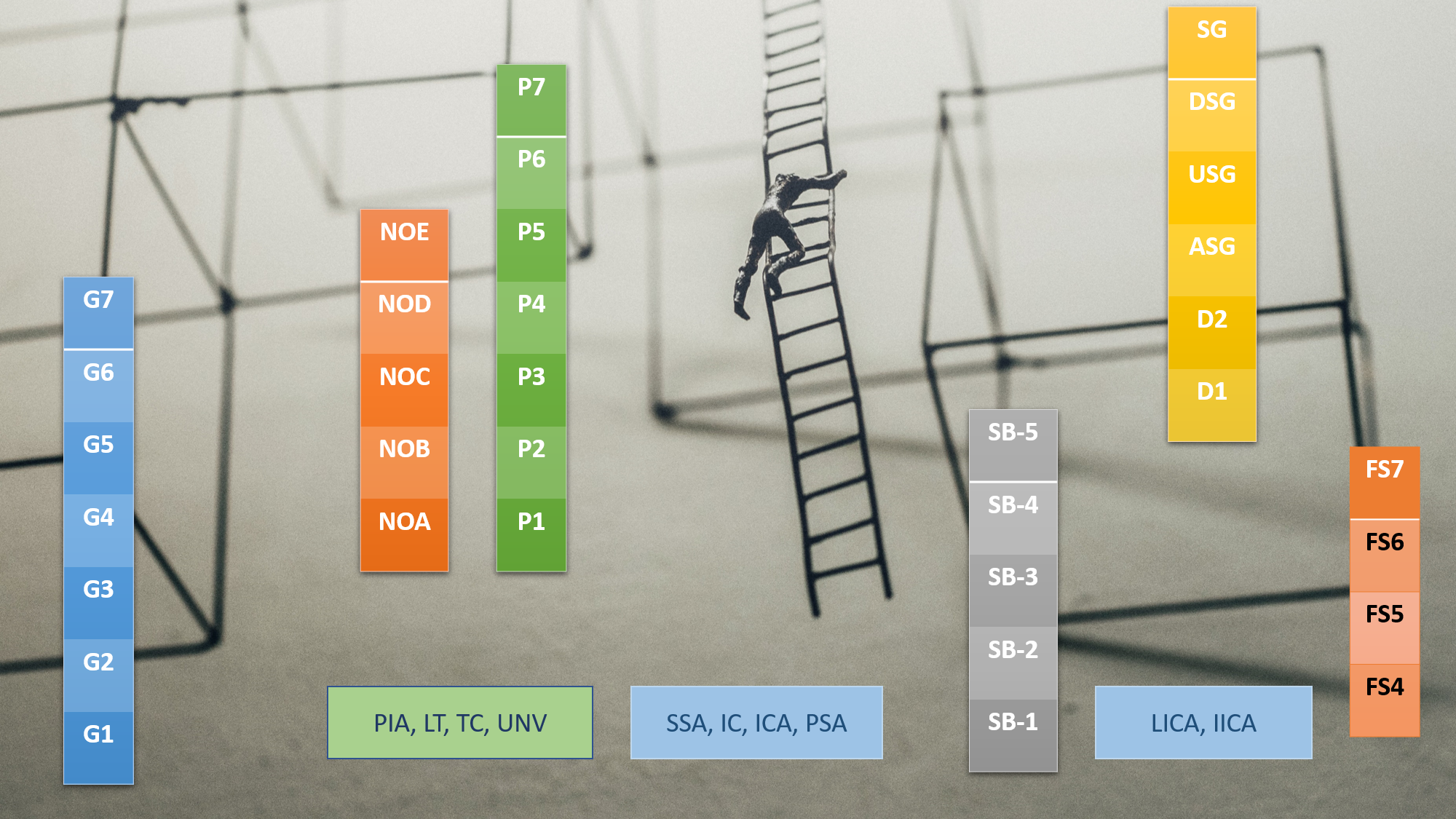
The Young Professionals Programme (YPP) is a competitive recruitment initiative of the United Nations Secretariat designed to identify and hire talented young professionals at the entry level of the Professional category, typically at the P-1 and P-2 grades. It is one of the most structured and transparent pathways into a long-term UN career, and it attracts thousands of applicants worldwide each year.
The programme was established to promote geographical diversity within the Secretariat by prioritizing recruitment from under-represented and unrepresented Member States. Where a candidate’s nationality appears on the eligible countries list for a given year, the YPP is frequently the most direct route into the UN system.
Who is eligible
Eligibility is strictly defined, and all of the following must be met at the time of application:
- Age: 32 years or younger — candidates must not have passed their 33rd birthday by 31 December of the examination year.
- Nationality: nationality of a Member State on the current year’s list of eligible countries. That list changes annually according to staffing representation levels in the Secretariat.
- Education: a first-level university degree (bachelor’s equivalent or higher) in a field relevant to the job profiles being recruited.
- Language: fluency in at least one of the UN working languages, English or French.
- Work experience: at the P-2 level, a minimum of two years of relevant professional experience is typically required. The P-1 level may be open to recent graduates without significant experience.
Which fields are recruited
The YPP does not recruit for every field every year. The job profiles offered rotate annually according to the Secretariat’s staffing needs. Historically the programme has recruited in fields including:
- Administration
- Economic Affairs
- Finance
- Human Resources Management
- Information Management and Technology
- Legal Affairs
- Political Affairs
- Public Information and Communication
- Social Affairs
- Statistics
Each year’s announcement specifies which job profiles are open and the corresponding eligible nationality list for each. It is common for only a handful of profiles to be offered in any given cycle.
The YPP selection process
Selection runs in stages, each of which must be passed to advance.
Stage 1 — application screening
Applications are submitted through Inspira, the UN e-recruitment platform, and are screened against the minimum eligibility requirements. The stage is strictly pass or fail: any gap in nationality, age, education level or experience results in immediate disqualification, which makes a thorough and accurate Inspira profile essential rather than merely advisable.
Stage 2 — written examination
Eligible candidates are invited to sit a written examination, administered simultaneously at UN offices and designated centres worldwide. It typically comprises two components:
- A general paper testing analytical reasoning, critical thinking and formal writing, completed in English, French or both depending on the profile.
- A subject-specific paper testing knowledge directly relevant to the job profile — economic theory for Economic Affairs, public international law for Legal Affairs, and so on.
Papers are scored anonymously, and only the highest-scoring candidates within each job profile and nationality group advance.
Stage 3 — competency-based assessment
Candidates who pass the written examination proceed to a structured competency-based assessment, typically a competency-based interview and sometimes written exercises. The assessment evaluates technical competence alongside the UN core competencies, among them communication, teamwork, client orientation and accountability.
Stage 4 — rostering and placement
Candidates who complete all stages successfully are placed on an approved candidates roster and subsequently matched with available positions across the Secretariat as departmental vacancies arise. Passing every stage does not guarantee immediate employment, since placement depends on posts becoming available. Rostered status is nonetheless a substantial milestone and typically leads to an offer within one to two years.
How to prepare for the written examination
General paper
- Consistent practice in analytical writing is the highest-yield preparation: structuring arguments clearly, using evidence, and writing concisely under time pressure.
- Regular reading of UN reports, General Assembly resolutions and Secretary-General reports builds familiarity with the language, priorities and frameworks the examination assumes.
- Drafting policy briefs, analytical summaries and formal memoranda against a set time limit reproduces the conditions of the paper itself.
- Where the examination requires bilingual writing, formal drafting in both English and French warrants practice well in advance.
Subject-specific paper
- The academic and technical foundations of the chosen profile repay review: macroeconomics, development economics and international trade theory for Economic Affairs; public international law, Charter provisions and treaty law for Legal Affairs.
- Awareness of contemporary developments and UN initiatives in the field is frequently tested.
- First-hand accounts of past papers circulate through UN career communities and are among the more valuable preparation resources available.
Practical points for applicants
- The announcement window is short. It is typically only a few weeks, and missing it means waiting a full calendar year.
- Profile choice should follow the evidence. The strongest application is to the profile that best matches academic background and professional experience, rather than the one that carries the most prestige.
- The Inspira profile is the application. Education credentials, years of experience and employment history must be documented precisely; incomplete or ambiguous entries are eliminated at screening.
- Regular vacancies remain worth pursuing in parallel. The programme is highly competitive and the timeline from application to placement is long, so applications at the P-2 and P-3 level should continue alongside it. The rosters and talent pools that sit behind advertised vacancies are part of the same picture.
- Preparation starts months out. The strongest examination performances generally reflect preparation measured in months rather than weeks.
After the YPP
Recruits are typically appointed at the P-1 or P-2 level and assigned to a department according to the Secretariat’s needs at the time of placement. The programme is designed as a long-term investment: it usually carries structured mentoring, learning opportunities and a clearer path of advancement than most entry routes offer. There is also a contractual dimension that receives little attention — staff recruited through a competitive examination may be granted a continuing appointment after two years of satisfactory service rather than the five years required by the ordinary route.
Many distinguished UN officials began their careers through the programme. It is demanding and genuinely competitive, and it remains one of the clearest and most merit-based entry points available in international public service. Current UN and international vacancies on UNjobnet →
Last reviewed: August 2026. This guide is general information rather than official HR or financial advice — entitlements should be confirmed with the employing organization’s HR and the governing UN instructions.