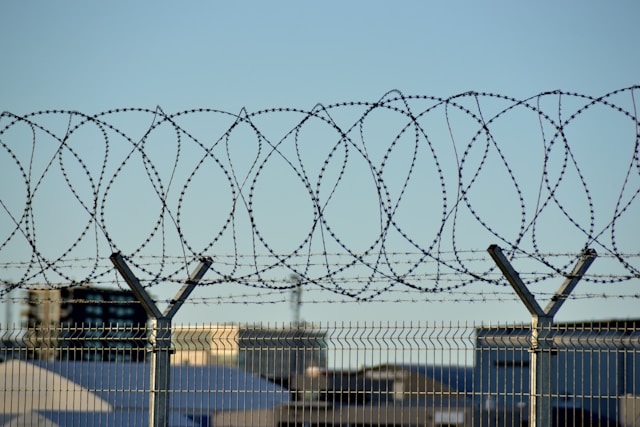
Security is one of the most searched fields on UNjobnet. And the picture most people have of it, an international officer flying into a crisis zone, is only part of the story. Security postings come from dozens of organizations, and where a grade is stated, about two in three are recruited locally.
That's good news if you're starting out. It means the field has real entry doors close to home, and a clear path up for people with police, military or risk-management backgrounds. Here's the map.
A field that hires staff, not just contractors
Most physical-security roles are staff positions, around two in three or more. That's unusually high: across all fields, roughly a third of what's advertised isn't a staff post at all. Employers include the UN system (WFP posts the most) and a long list of international NGOs: Humanity & Inclusion, Plan International, Oxfam, CRS and IRC all hire their own security staff.
One thing to know before you search: "security" also brings up cybersecurity and food security. Those are different careers. Information security is a sizeable field of its own; this guide is about the safety and security of people, premises and operations.
The route map: where your background fits
| Your background | Typical first door | What it usually asks |
|---|---|---|
| Police, military or private security, in your own country | Local Security Assistant or Security Associate (General Service or National Officer) | Local knowledge, language, driving licence, experience in security operations |
| Several years in police or military, ready to move abroad | Security Officer (field service or P-3) | One UN posting asked for the UN Security Officer Test plus 2 years in a civilian police force or 3 in the military |
| Security or risk management with international field time | Field Security Coordination Officer (P-3 to P-4) | Postings ask for 5–7 years in security, risk or emergency management, often including international field experience, and an advanced degree |
| Analysis, research or intelligence | Security Analyst | Analytical writing; the UN's own analyst certification comes after you join |
| NGO operations or logistics | NGO security focal point or manager | Often the first international step, and good preparation for UN roles later |
You don't need a UN certificate to get in. The UN's own Security Certification Programme is usually listed as "desirable" and is taken once you're already in a security role. Lead with your real operational experience.
What makes an application stand out
- Languages. English is required almost everywhere; French, Arabic or Portuguese often decide shortlists in the countries that use them.
- Evidence, not titles. Say what you managed: how many staff or premises you covered, which incidents you handled, which plans you wrote or tested.
- Field realism. Many security posts are in hardship or non-family duty stations. Show you understand what that means, and why you want it.
- Driving and first aid. Often listed, rarely highlighted by applicants. Put them where a screener can see them.
We looked for a course in our catalogue that genuinely fits UN security work and didn't find one, so we're not recommending any. Your operational record is worth more than a certificate here.
What the life is like
Security staff go where operations are hardest, which means hardship allowances, rest and recuperation cycles and, in some places, danger pay. How hardship duty stations work explains what changes when you're posted to one. It's demanding work, and many people in it say it's the most meaningful thing they've done.
Your next three steps
- Match your background to a row in the route map above.
- Rewrite your experience as results: incidents managed, plans written, people protected.
- Set an alert for the field so new security roles reach you on the day they're posted.
Your experience may be closer to a UN security role than you think. See live security and safety jobs →
Last reviewed: November 2026. General guidance, not official HR advice; requirements vary by organization and post. Proportions are rounded from UNjobnet vacancy data, checked quarter by quarter.