Not every UN job means moving abroad. Every country office hires people who already live there: drivers, office assistants, experienced associates who run a function, and national professionals who run programmes in their own country. These are real UN jobs, with UN pay and benefits, and you compete with applicants from your own area rather than the whole world.
This guide is for you if you want one of those jobs. It covers the main kinds of local post, what each one asks for, and how to give yourself the best chance, starting with drivers, because so many readers ask about them.
The kinds of local job
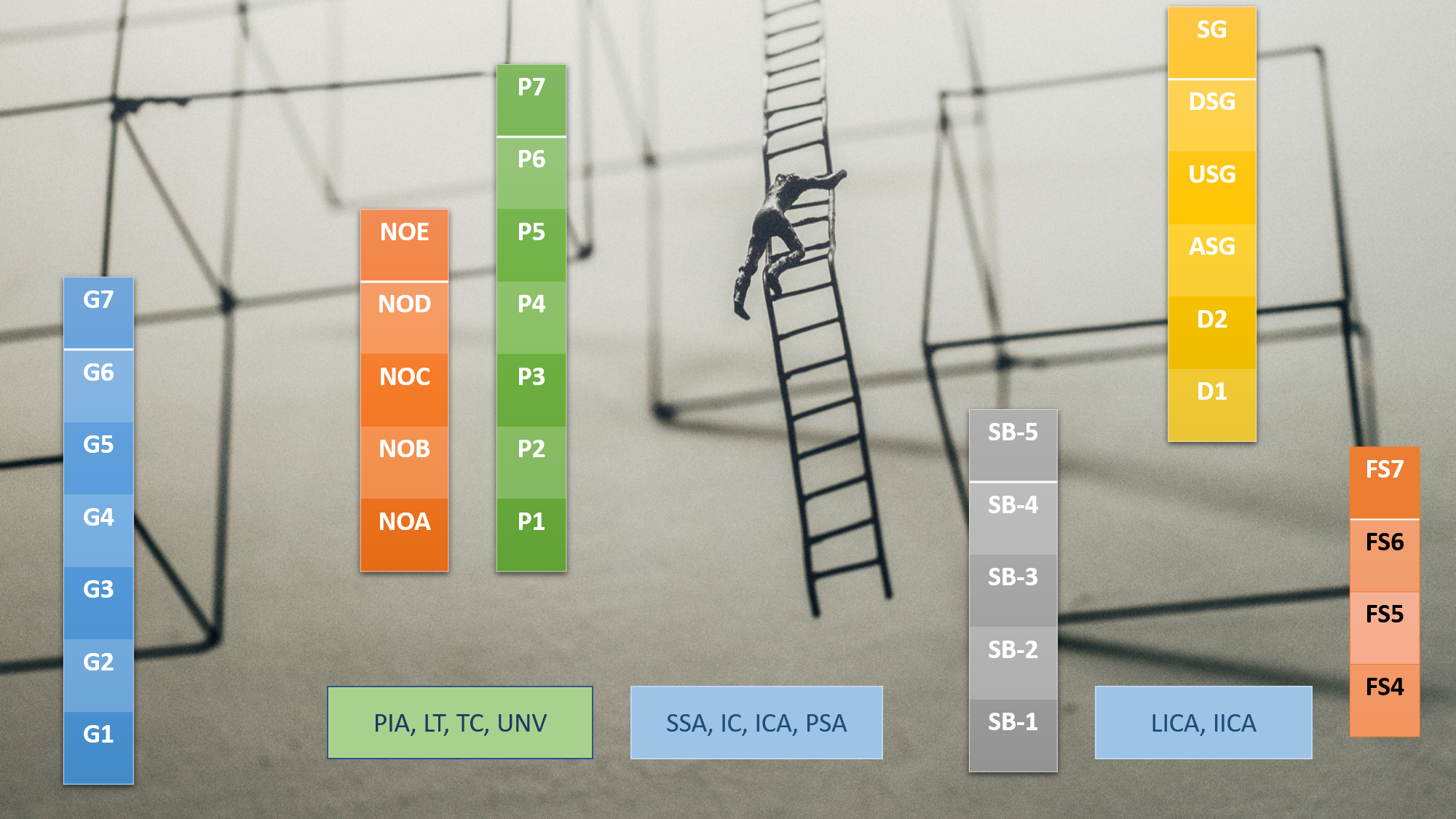
| Drivers and support staff | Assistants | Associates | National Officers | |
|---|---|---|---|---|
| Grades | Usually G-2 to G-3 | G-4 to G-5 | G-6 to G-7 | NO-A to NO-D |
| Who can apply | Anyone living in the country (or within commuting distance) with the right to work there, whatever their nationality | Nationals of the country | ||
| Education | Usually secondary school | Secondary school or a diploma, plus experience | Secondary school or a diploma, plus many years of experience; a degree often helps | A university degree |
| Typical roles | Driver, senior driver, messenger, guard | Administrative, finance, HR, logistics, IT and programme assistants | Senior finance, programme, procurement or HR roles that run a function or supervise assistants | Programme, health, legal and communications officers |
All of them are paid on local salary scales, set by surveys of the best employers in the same city. That rule, applied by the International Civil Service Commission, is why local UN pay is usually among the best in the local market. Professional vs General Service grades explains how the local and international systems compare.
If you're applying as a driver
A UN driver is trusted with the safety of colleagues, visitors and senior officials, often on difficult roads. That's why driver posts are taken seriously, and why a good driving record counts for a lot. Most driver notices ask for:
- A valid driving licence for the right vehicle class, often held for a few years. The notice gives the number.
- Secondary education and a few years of experience as a driver.
- Basic vehicle maintenance: daily checks and minor repairs, and spotting a problem before it becomes a breakdown.
- A working language, usually English or French at a working level, plus the local language.
- Knowledge of local roads, rules and security procedures.
First aid and defensive driving often appear too, as a plus or as training the office provides. If you have certificates for either, mention them.
Make your application stand out. Anyone can write "experienced driver". Be specific instead:
- the vehicles you've driven (4x4s, minibuses, trucks, armoured vehicles)
- the roads and regions you know, including field or rural routes
- how long you've driven without an accident, if that's your record
- who you've driven for: an embassy, an NGO, a company, senior officials
- maintenance work you've done yourself, and the logbooks or fuel records you've kept
Expect a practical driving test and an interview. The interview usually asks about real situations: a breakdown far from town, a checkpoint, a passenger who wants you to break a rule. Think through what you'd say before you go in.
Look beyond "G-2". The same driver job can come under different contract names. UNDP often uses service contracts (NPSA), some agencies use local individual contractor agreements (LICA), and some driver roles are filled through National UN Volunteers. International NGOs and the Red Cross hire drivers too. Search for the word "driver" rather than a grade, so you see them all: current driver vacancies →
A driver post isn't a dead end. Experienced drivers can move up to senior driver, then into fleet, transport or logistics assistant posts. A driver who learns the office's fleet and procurement systems is well placed when one of those opens.
If you're applying for an assistant or associate post
General Service posts form a ladder. At G-4 and G-5 the title is usually Assistant: you support a team and keep its processes running. At G-6 and G-7 most agencies switch to Associate, though some, including much of the UN Secretariat, keep "Assistant" or add "Senior". The work at that level is para-professional, close to the work of a Professional officer: you run a function such as finance, procurement or programme monitoring, handle complex cases on your own and often supervise assistants. If you've spent years running something rather than supporting it, look at associate posts and don't stop at assistant ones.
Both usually come with a test. At the UN Secretariat, many notices require the Administrative Support Assessment Test (ASAT) or a local equivalent. Other agencies run their own written tests, often an Excel task, a writing exercise or both, followed by a competency-based interview.
If spreadsheets are your weak spot, fix that before the test, not during it. The University of British Columbia's Excel for Everyone* on edX covers the fundamentals these tests tend to check.
* Affiliate disclosure: UNjobnet may earn a small commission on purchases made through this link, at no additional cost to the reader.
If you're a national with a degree
National Officer posts are professional jobs that need someone who knows the country: its language, institutions and communities. They ask for a university degree and relevant experience, like international posts, but only nationals can apply. That makes them some of the most winnable professional jobs in the UN system.
They also count as professional experience if you later want an international post. Moving from a General Service post to a Professional one is harder, and each organization has its own rules. Crossing from G to P explains how people actually make that move.
Finding local jobs before they close
Country offices post local vacancies on their own careers sites, and they're often open for only a couple of weeks. Many never reach the big international job boards. The easiest way to catch them is to pick your country on UNjobnet and set an alert, so new posts reach you by email.
When you find one, read the notice for the words "local recruitment" or "national position", and check who can apply before you start.
Before you apply
- Check the notice: nationals only (National Officer), or anyone with the right to work in the country (General Service)?
- Match each requirement in the notice (licence, education, languages, years of experience) to a line in your application.
- Date every job to the month in your personal history form.
- Prepare for the test: a driving test for drivers, a written or Excel test for assistant and associate posts.
- Never pay anyone. No genuine UN organization charges a fee to apply, to be tested or to be hired.
Local posts are some of the most reachable jobs in the UN system, and the people who get them are often the ones who apply carefully and keep applying. Set up your country alert today, and you'll see the next one as soon as it's posted. Find local vacancies in your country →
Last reviewed: November 2026. General guidance, not official HR advice. Each organization sets its own local recruitment rules and contract types; the vacancy notice always takes precedence.