There's a paradox at the heart of UN job searching: the system generates an enormous volume of vacancies, yet qualified candidates often feel like they can never find the right opening. Part of the reason is structural — UN recruitment is genuinely fragmented, spread across dozens of organizations, each with its own timelines, competency frameworks, and application systems. But a significant part is strategic: most candidates don't have a systematic approach to finding the right fit.
Start With a Realistic Self-Assessment
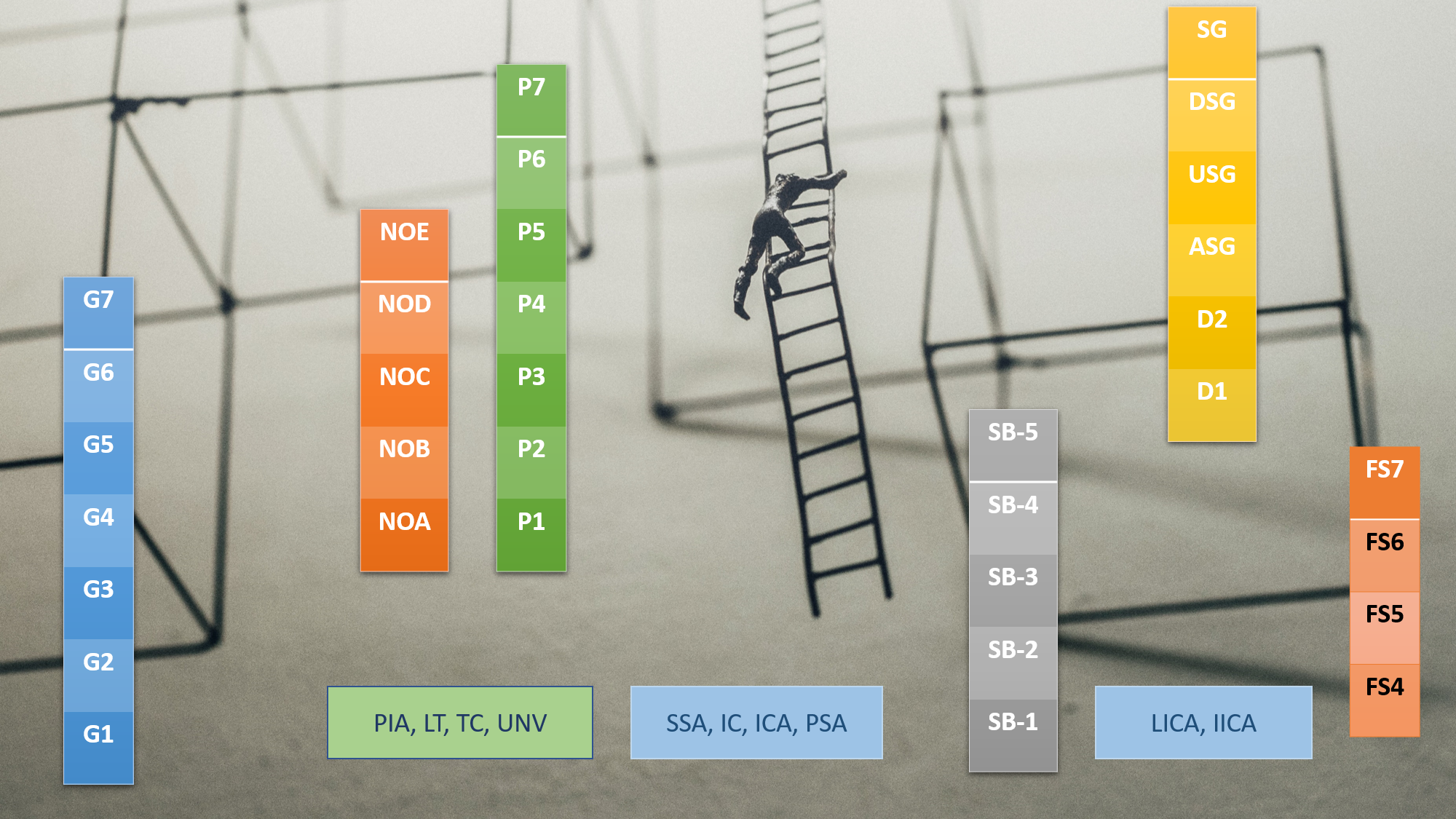
Before you open a job board, invest time in honest self-assessment. The UN system has defined career pathways and grade structures, and most positions have fairly explicit requirements around education, years of experience, and technical expertise. Mismatched applications waste your time and create no opportunity — there's no "we'll overlook the experience gap because your profile is interesting" culture in UN recruitment.
Key questions to work through:
- What grade level am I genuinely competitive for? P-2 requires a master's and 2 years of relevant experience; P-3 requires 5 years; P-4 requires 7 years. These are minimum thresholds, not targets. If you have 4 years of experience, most P-3 positions will screen you out regardless of quality.
- What functional area am I most qualified for? The UN recruits in programme/project management, monitoring and evaluation, communications, HR, finance, procurement, IT, logistics, and dozens of technical specializations. Identify your strongest area and lead with it.
- Am I open to hardship postings? Field positions at B/C/D stations are significantly easier to get into than competitive H-station roles. Our guide on UN hardship duty stations explains what these postings involve.
- Which organizations best match my expertise? UNHCR hires heavily in protection, legal, and field operations; WFP in logistics, supply chain, and food security; WHO in public health; UNDP in development programming. Matching your background to the right agency matters.
Map the Landscape: Where to Look
- INSPIRA (careers.un.org): The UN Secretariat's recruitment portal — covers the Secretariat, DPPA, OCHA, and other Secretariat entities.
- Agency-specific portals: UNDP, UNICEF, UNHCR, WFP, WHO, and the specialized agencies run their own recruitment systems (typically Workday or Taleo). You must have accounts on each separately.
- UNjobnet: Aggregates positions across the UN system and international organizations in one place. Search current opportunities on UNjobnet →
- Rostering and talent pools: Many agencies maintain rosters of pre-screened candidates. See our guide on the hidden UN job market for more on how rosters work.
Match Your Experience to Job Requirements — Rigorously
The most common mistake in UN applications is sending a generic profile to a specific vacancy. UN job descriptions are detailed and deliberate — the education, experience, language, and competency requirements are the actual screening criteria. Before applying, do a line-by-line audit:
- Does your education meet the minimum? Is your degree in the right field or a related one?
- Do you have the required years of progressively responsible experience at the right level?
- Can you demonstrate the specific technical competencies listed — not just that you've worked in the area, but that you have specific, demonstrable expertise?
- Do you meet the language requirements? Most positions require proficiency in English or French, and many have a second UN language requirement.
If you meet at least 80–90% of the listed requirements, apply. If you're below that threshold on core requirements, you'll likely be screened out before a human reads your file.
Build a Long Game: Networking and Informational Reach
The formal job advertisement process is not the only route. Building relationships within the UN system — through internships, JPO programmes, consultancy work, or simply maintaining contact with UN professionals in your network — creates non-advertised pathways. Many shortlisted candidates have an internal recommender who flagged their profile; many positions are advertised specifically to allow a known candidate to formalize their selection.
LinkedIn is widely used in the international development sector. Connect with people whose careers you admire, engage thoughtfully with their content, and when you reach out, make it specific — not a generic request for help. Strong academic credentials open doors, but your network often determines which door opens first. Our guide on degrees that open doors for UN careers gives context on what qualifications matter most.
Track and Iterate
UN recruitment processes are slow — sometimes 6–12 months from application to offer. If you're actively job searching, you need a tracking system. Note every application: organization, position, vacancy number, date applied, and outcome. This tells you which types of roles are generating interviews (strengthen those), where you're being screened out, and which organizations' timelines align with your availability. Candidates who secure UN positions typically apply to many roles over an extended period. The ones who succeed treat each rejection as data, iterate on their approach, and keep going.
Key Takeaways
- Start with honest self-assessment of your grade level, functional area, and geographic flexibility — mismatched applications are the biggest time-waster in UN job searching.
- Cover the full landscape: agency portals, INSPIRA, UNjobnet, and informal network channels.
- Match your application rigorously to each vacancy's requirements — the UN screens against stated criteria, not impressions.
- UN job searching is a long game. Track applications, iterate on your approach, and stay persistent.