Here's why. In the international system, your application isn't read first as a story. It's processed first as a record. A structured screening step decides whether a human ever sees your profile at all—and most strong candidates get filtered out not because they lack the experience, but because they didn't present it the way the system expects. The good news is that the process is learnable. Here's how it actually works, and how to get through it.
1. Clear the Eligibility Filter First
When an agency like UNICEF or UNDP posts a vacancy, your application goes through an automated pre-screen before any hiring manager looks at it. It's easy to imagine this step as a robot scanning your CV for clever keywords. In reality, it's narrower and more mechanical than that: it checks whether you meet the hard requirements of the job.
The UN system and international organizations use recruitment system that pre-screen, typically verifies your minimum education, your years of relevant experience, your language levels, and your answers to the vacancy's screening questions—the system often requires a passing score before you advance. Miss one of these, and you're out before a person ever reads a word.
- The Mistake: Leaving your degree field blank, under-listing your work history, or rushing the screening questions—then assuming a strong CV will compensate. It won't, because a human never sees it.
- The Fix: Treat the structured fields as the real application. Enter every relevant role and make sure your total experience clearly adds up to the minimum required. Complete the education and language sections precisely. Answer the screening questions carefully—they're scored.
The single most common reason qualified people get rejected isn't weak experience. It's an incomplete or imprecise profile that fails the eligibility check.
2. Speak the Panel's Language
Once you clear the filter, your profile lands in front of a hiring manager who may be reviewing 150 others on top of a full day job. They're not reading for poetry—they're scanning for direct evidence that you match the competency framework in the Job Description.
This is where mirroring the vacancy's vocabulary genuinely helps—not because a machine demands the exact words, but because a busy human reviewer needs to find the match in seconds. If the JD frames the work as "monitoring and evaluation in emergency contexts," use that framing where it honestly describes what you did, rather than a synonym they have to mentally translate.
And lead with what you delivered, not what you were responsible for:
The Formula: Action Verb + Metric/Output + Context
- Weak: "Responsible for managing the regional logistics budget."
- Strong: "Managed a $1.2M regional logistics budget, reducing supply chain delays by 22% across three field offices."
Duties tell a reviewer what your job was. Results tell them what you're capable of. Panels are trying to verify the second one.
3. Make Your Field Experience Legible
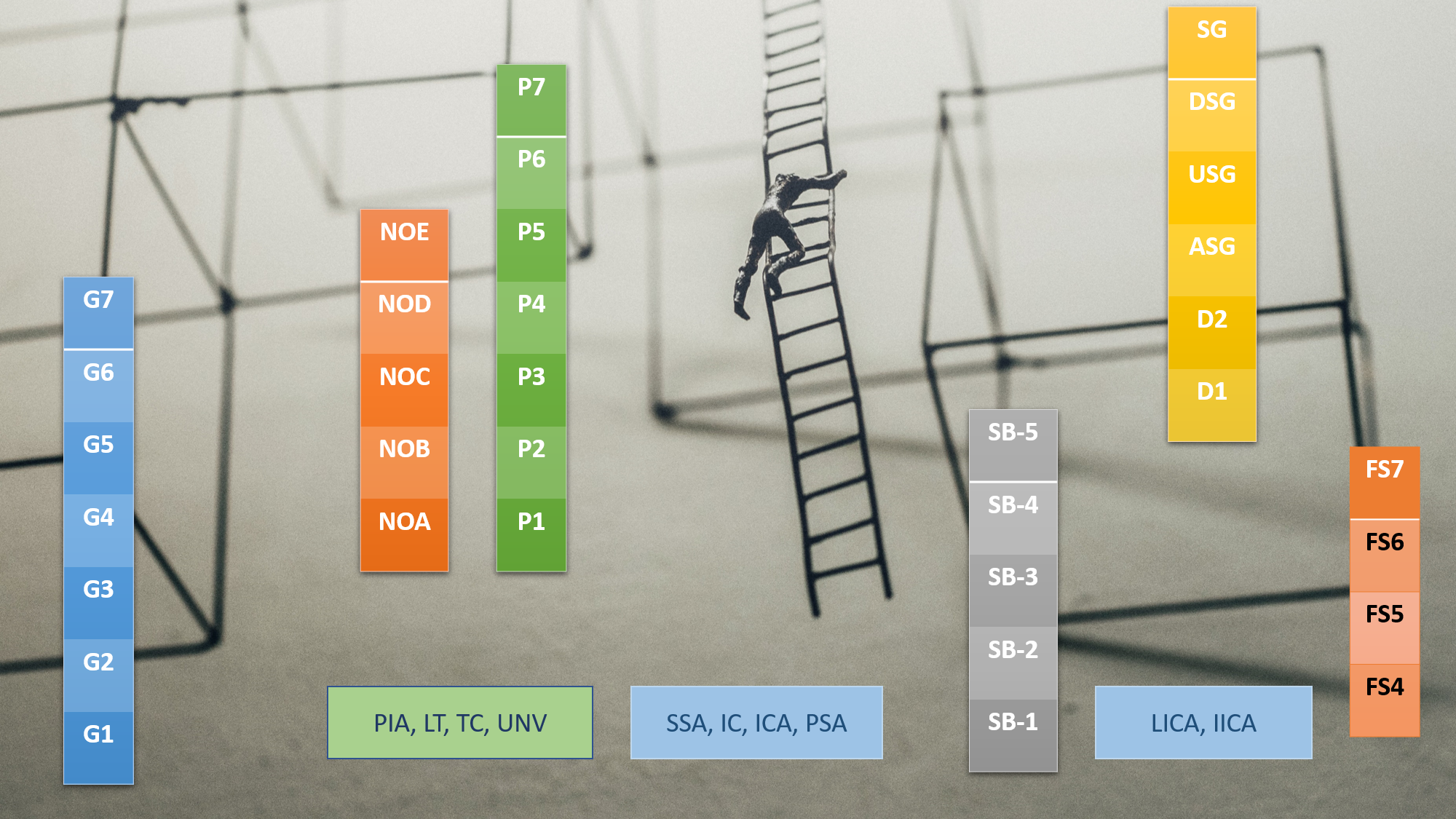
For P-level (Professional) international roles, panels place real weight on candidates who have proven they can deliver under pressure, not just understand development in theory. If you've served in a duty station with a difficult hardship classification (C, D, or E on the UN's A-to-E scale), don't bury it three lines deep in a job description.
Surface it where it's relevant to the role: name the duty station, the classification, and what you delivered there. It signals operational resilience and firsthand understanding of the contexts these agencies actually work in—often the thing that separates two otherwise similar candidates. Keep it tied to the specific vacancy, though; relevance to the JD still governs what you emphasize and in what order.
The Bottom Line
There's no trick here, and nothing to game. UN screening simply works in two stages, and most applicants only optimize for the second one. First, a structured pre-screen confirms you're eligible—so make your profile complete, precise, and consistent. Then a human checks your fit against a competency framework—so make your results and relevant field experience impossible to miss. Get both right, and you stop disappearing into the black hole.
A note on specifics: recruitment systems differ from one agency to the next and are updated over time. UN, UNICEF, UNDP, and others run their own e-recruitment systems, and bodies like the World Bank operate entirely separate processes. Always check the current applicant guide for the specific agency you're applying to.